

Radiant heat in radiant heating
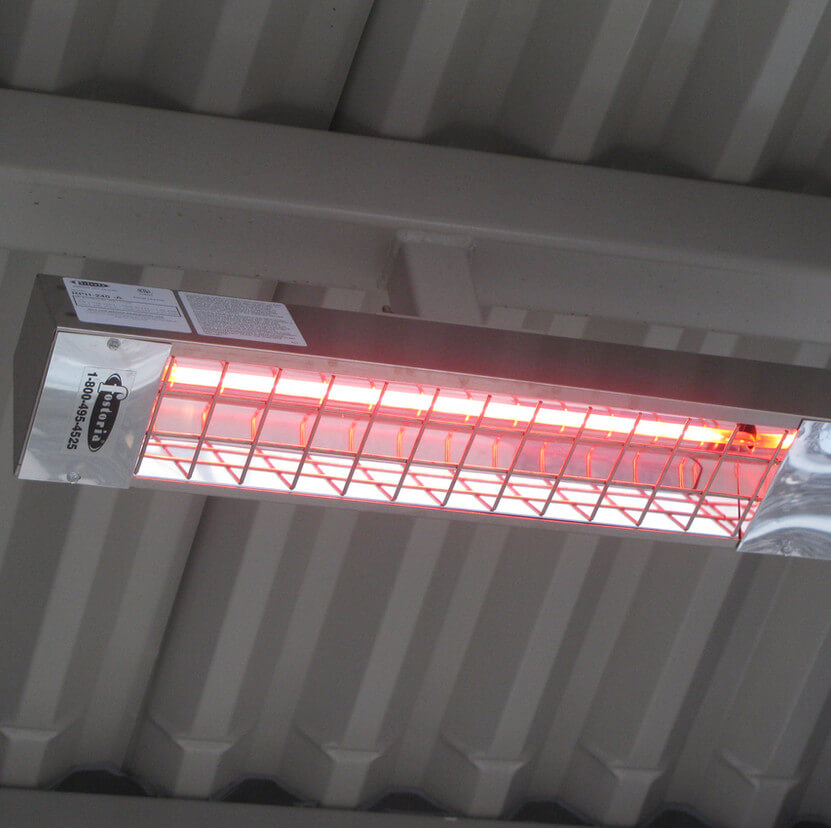
In radiant heating, radiant heat works like the sun. Instead of warming the air around you, it warms people and objects. This makes radiant heat a more efficient heating source, as it is less likely to be affected by wind.
Radiant heat is the most natural heat source, using the same operation as the sun.
Which is more economical between an electric radiant heater and a gas heater?
In Quebec, we have access to a low-cost renewable energy, hydroelectricity. This means that the operating costs of an electric heating system are generally less expensive than a gas system.
What is the difference in efficiency between electric radiant heating and gas heating?
Simply put, electric heaters are better looking, more efficient and easier to use and maintain.
The energy-efficient advantage of electric radiant heating: 200% to 400% more efficient than natural gas.
Some types of electric heaters are over 90% efficient (which is 2-4 times more efficient overall than natural gas or propane) and are perfectly safe for indoor or outdoor use. They are also economical in use and require little maintenance beyond periodic cleaning.
What is the main environmental advantage of electric heating over gas heating?
The protection of the environment is now a major societal issue. An electric radiant heating system allows you to warm your space and the people in it without the negative environmental effects of most gas heaters or fireplaces.
Better efficiency of electric radiant heating to avoid energy waste
Traditional gas burners often have an efficiency of less than 50%, which means that 50% of the energy is lost, and they emit carbon monoxide and other hazardous gases as a by-product of combustion and fuel.
In contrast, our radiant heaters offer up to 96% radiant efficiency. This means that 96% of the energy used is translated into radiant heat directed directly onto the people, objects and space to be heated. In addition, our systems use a much greener energy source: electricity (often hydro-electricity) which does not produce greenhouse gases.
Zone heating, a great advantage exclusive to radiant heating
A specific environmental benefit of electric infrared heating is the ability to specifically target the people and environment where you want to create a comfortable space without wasting energy to unnecessarily heat another space.
An example of this type of application is a stationary workstation in a large warehouse. In this example, there is no need to heat the entire warehouse when there is only a small section of the space that needs heating.
This saves energy, time and money, while increasing the comfort of the users present.
Radiant heating compared to gas heating in some important points
- The radiant heater has no valves
- Ignition components are not required with an electric heating system.
- The radiant heater has no moving parts or burners to maintain or repair.
- Electric heating systems produce no noise, no odor, and no toxic emissions.
- Radiant heating is the only one that can heat a specific area
- Electric heaters offer additional mounting and installation options.
Regarding the last point, they can be recessed into a standard 8′ ceiling using our flush mount frame. When installed above ground, they hang within 9-1/2″ of the ceiling. The most commonly used overhead gas heater requires a minimum ceiling height of almost 10′ and when installed correctly, hangs almost 24″ below.
- An electric heating system also has the advantage of being easier to use.
Enjoying electric comfort heat is as easy as flipping a switch. You can adjust the intensity of an electric heater to infinity, from zero to 100% power, using our power controls. Gas heaters, on the other hand, only produce infrared energy when they are set to maximum.
We offer a custom design service to ensure that you get the results you want. Contact our team of experts now to assist you with your projects, large or small.



0 Comments